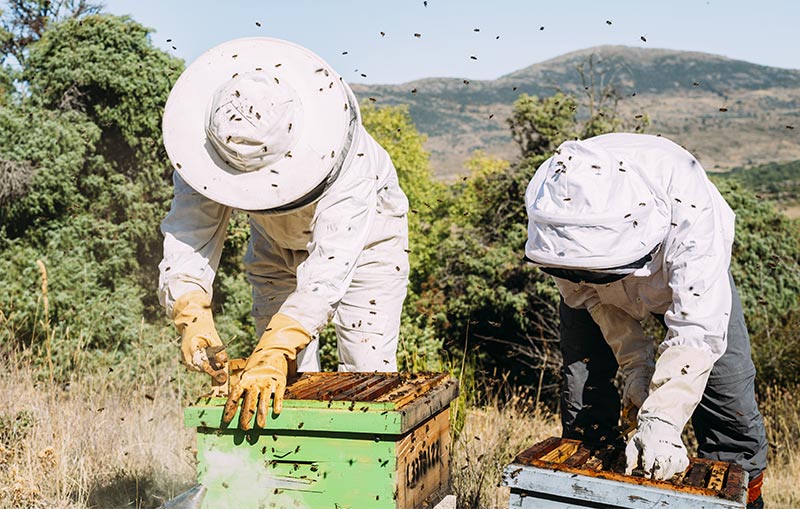
Finding the perfect queen bee is at the heart of successful beekeeping. A strong queen ensures a thriving hive, healthy brood, and steady honey production. But among thousands of buzzing workers, spotting her can be tricky. Here’s how you can identify and choose the right queen for your colony:
1. Learn to Spot Her Physically
The queen bee looks different from the rest:
- She is longer and slimmer than worker bees, with an abdomen that extends well past her wings.
- Her thorax is larger and smoother, making it easier to mark with a dot of paint.
- She usually moves calmly and steadily, unlike the quick, darting movements of workers.
2. Watch the Bees’ Behavior
The queen rarely hides alone—workers surround and attend to her. Look for a small circle of bees facing inward, feeding and grooming their queen. This “retinue” often reveals her location.
3. Check Her Brood Pattern
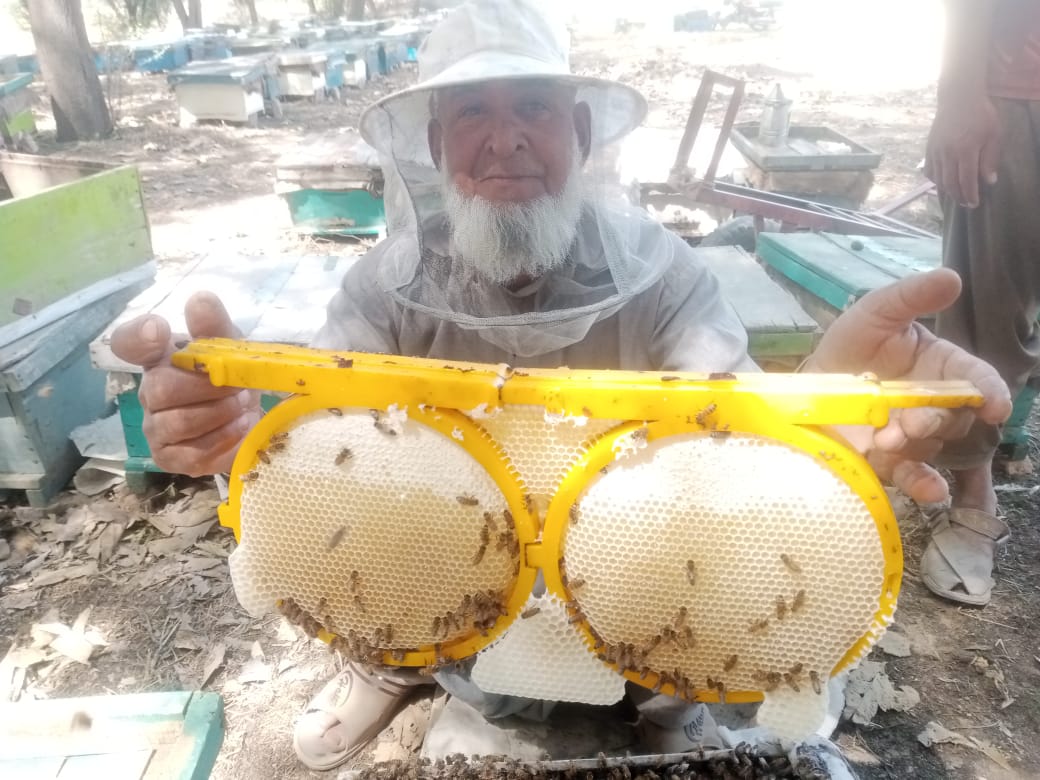
A perfect queen leaves a strong sign behind her: the brood. A healthy queen produces a tight, even pattern of eggs and capped brood, showing she is fertile and laying consistently. Scattered or spotty brood often means the queen is weak or failing.
4. Choose the Right Genetics
Not all queens are alike. Beekeepers often select queens bred for:
- Gentle temperament (easier hive management)
- High honey production
- Disease and pest resistance
- Adaptability to local climate
5. Replace When Needed
Even the best queens don’t last forever. After 2–3 years, egg-laying naturally declines. Re-queening your hive regularly ensures the colony remains strong and productive.
Final Note
Finding your perfect queen bee is about more than just spotting her—it’s about ensuring she has the strength, genetics, and health to lead a vibrant hive. A good queen is the foundation of your beekeeping success.